
 CommunicationBreaking the Clock – Understanding the Conflict between Monochronic and Polychronic TimeGermany and the U.S. treat time as scarce and scheduled; polychronic cultures put people first and expect delays.
Blog
217 articles · page 19 of 22Every article
← Back to the blogCommunicationBreaking the Clock – Understanding the Conflict between Monochronic and Polychronic TimeGermany and the U.S. treat time as scarce and scheduled; polychronic cultures put people first and expect delays. CommunicationDirect Method – Language Teaching Methodologies and StrategiesBreaking with grammar-translation, the method bans the native language and teaches through pictures and role-play.
 CommunicationArgumentative Essay – How to Write One and Topic IdeasHook, thesis, evidence, rebuttals, and a firm close. Ten subjects follow, from bilingual education to code-switching.
 TravelBringing Your Pet to the US? Documents Required and Things to ConsiderOver 1.9 million pets enter the U.S. a year. Their health papers must be in English or carry a certified translation.
 CommunicationGrammar-Translation Method – Language Teaching Methodologies and StrategiesReading old Latin texts was the goal. Taught in the students' own language, the method ignores speaking and listening.
 CommunicationThe Anatomy of a Joke: How to Write and Translate a JokeLiteral translation kills most jokes, so translators adapt, replace, or skip them, as Jimmy Carter's interpreter did.
 EducationTranslation of Recipes and Translations for the Food IndustryRecipe translation weighs culture, units, and swaps: parmesan can replace pecorino romano, in a third smaller amount.
 CommunicationLanguage PlanningStatus, corpus, and acquisition planning change how societies speak, from Quebec's bilingual signs to Mao's pinyin.
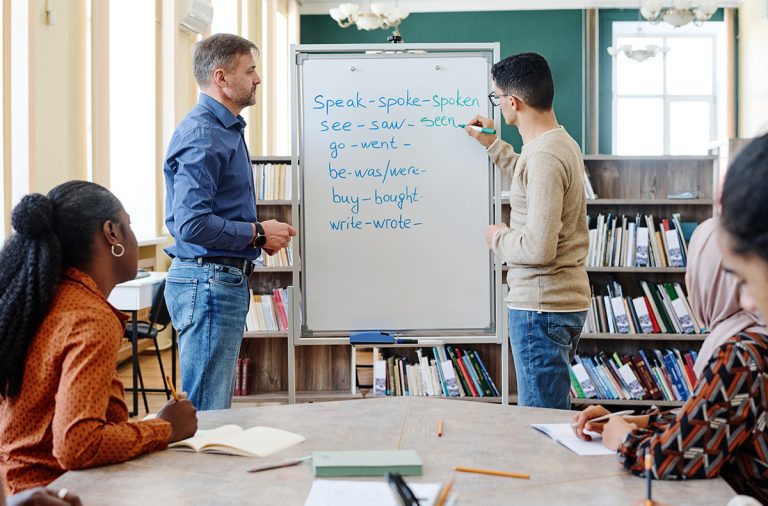 CommunicationLanguage Teaching Methodologies and StrategiesTwelve ways to teach English, from Grammar-Translation, used since ancient Rome, to the Lexical Approach of the 2000s.
 CommunicationHow Long Does It Take for a Child to Become Literate in Other LanguagesHanzi and kanji learners start reading at three, Roman-alphabet learners at six. Only 37% of adults in Niger can read.