Nonprofit case study
Before anyone shares their story, the consent form has to be in their language
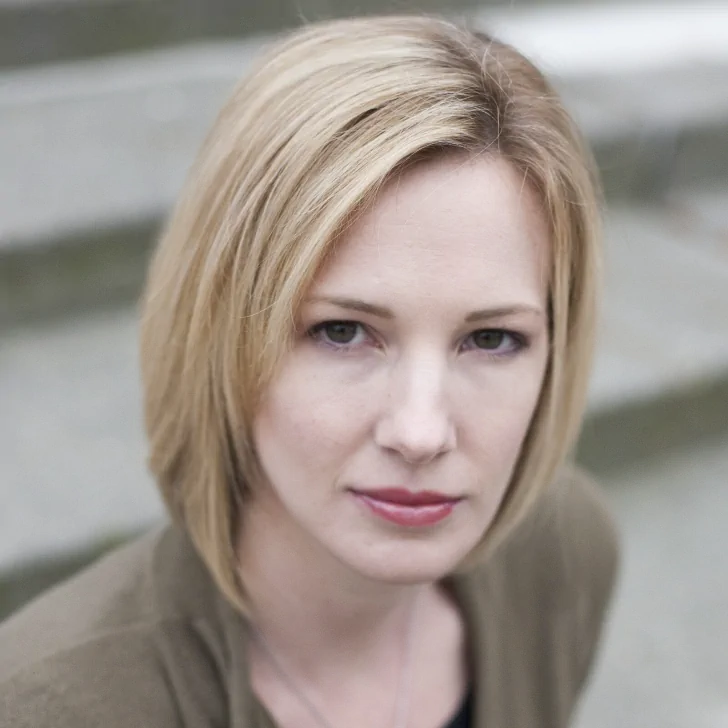
Kristen DayleyExecutive Director
- Client
- Their Story Is Our Story (TSOS)
- Sector
- Nonprofit
- Client since
- 2022
- Work
- Storytelling, education, advocacy and community integration
- Documents
- Interview releases, consent forms and StoryShield program documents
- Languages
- French, Dari, Pashto, Haitian Creole, Spanish
- Filed with
- TSOS and its partner organizations
Translating consent forms or program materials?
Send the documents and the languages you need. We confirm turnaround the same business day.
Their Story Is Our Story
Their Story Is Our Story does not file asylum applications, secure housing or hand out food. The nonprofit, which Kristen Dayley has led since 2021, shares the firsthand stories of people who have been forcibly displaced and the neighbors who welcome them, in their own voices, and carries those stories to educators, policymakers, journalists and the public.
"Hundreds of organizations provide direct aid, often brilliantly. We do something none of them can do alone, and that all of them depend on: we change the story."
Nothing in her day job pointed here. Kristen is a corporate attorney and a partner at a law firm. In 2016 she started volunteering with Northwest Immigrant Rights Project, representing asylum seekers, after realizing that "I'm not an immigration attorney, but I have a license that allows me to do things that other people could not do." "It changed my life," she says of that work. "It should come with a warning label."
Consent, in the person's own language
TSOS asks a great deal of the people whose stories it shares, and it has built its process around leaving control with them.
"I've sat knee to knee with people seeking asylum, and they are forced to tell the same story over and over again. It's dehumanizing and retraumatizing. So we do something different. We don't demand that story. We invite people to reclaim their own narrative."
That principle shows up as paperwork. Every storyteller signs a release. Anyone who could be at risk also goes through a verbal consent form: nine questions covering how the story can be used, whether an alias is needed, whether their image can be shared and what limits apply. TSOS goes through it aloud with the person.
"Both our release and our consent form have to be translated. People understand what they're agreeing to best in their own language."
We translated both forms, the Interview Release and the Verbal Consent Form, into French and Dari. "I've yet to come up with a language that you guys haven't been able to help us with," Kristen says.
Why we ask for preferred spellings
Before translation begins, we confirm how each name should appear in English, and that spelling carries across every document in the set. It costs a minute at the start, and it keeps a file from presenting two versions of the same person.
StoryShield
In January 2026, TSOS launched StoryShield, a proactive storytelling and family-protection program. It trains families at risk of detention to record their own stories on their phones and to share the footage with a few trusted people who can release it if the worst happens.
"Our hope is that this will just be a lovely piece of family history. But if someone in the family is detained, there are materials that can be used to raise awareness and build support for that family."
When local media covers a detention, she says, the first question is always whether there is video or photographs. TSOS does not hold one-on-one relationships with families. It partners with the community organizations that do and offers the program to them free of charge. We translated the StoryShield Consent & Release into Dari and Pashto and, more recently, two documents into Haitian Creole: the StoryShield Participation Agreement and an information sheet titled Prepare a Plan in Case of Detention. It is a checklist of "all these different things that sadly people need to think about right now."
Why the forms don't stay in-house
When Kristen became executive director in 2021, TSOS was an all-volunteer organization, and volunteers handled its translations. That changed when the consents were updated.
"These releases have a legal component. That's a lot of work to ask someone to translate for free, and once we updated our consents, I didn't want to worry about whether they had been done correctly."
Volunteers still translate announcements and publicity, and a TSOS community engagement specialist leads StoryShield presentations in Dari and Pashto. The documents people sign come to us.
"If there's a time crunch, or if it's critical to get right, we send it to you."
She found us online and remembers that "you guys were very easy to work with right off the bat." She has not sent work to another agency since.
Every project starts with a written quote stating the price and turnaround time. Kristen's priorities can shift quickly, and she values that the quote arrives right away, before she knows whether a job is urgent, and is still good when she is ready to send it.
No them, only us
Kristen is careful not to overstate it: "Nobody has commented on it that way, but I know it helps communication and understanding." People skim legal documents, she says. The translation is what makes the verbal walkthrough possible.
TSOS has used the same line for years: "We're envisioning a world where there is no them, only us." A consent form a person can actually read is a small, literal piece of that.
Their Story Is Our Story (TSOS) is a 501(c)(3) nonprofit founded in 2015. It shares the firsthand stories of people who have been forcibly displaced and the neighbors who welcome them, in their own voices, and carries those stories where they need to be heard. Its programs include StoryShield, which helps families prepare protective video narratives in advance of potential detention, and StoryRise, a mentorship program for young advocacy content creators. Learn more at theirstoryisourstory.org.
Certified translations for law firms and legal processes
35 Languages Supported
We translate to and from English









FAQs
You can order most translations 24 hours a day, 7 days a week through our online store. For large projects (more than 20,000 words or 50 pages), please request a quote.
General Questions
Certified Translation

American Translators Association
Corporate Member: M-101886
Get a free quote
Please provide us with your contact information and upload your documents. All the information transmitted is secure.